Volumetric Eating
Have you ever wished you could eat a satisfying plate of food without consuming too many calories?
If your answer is yes, you may find volume eating, also known as the Volumetrics approach, interesting.
Hello, Friends!
It has been quite a long time since I last wrote to you. I couldn’t connect with you for several months, and I don’t know whether you missed me—but I certainly missed you!
Life has its ups and downs, and sometimes we need to step back, take a breath, and face our challenges one day at a time.
Now I’m happy to be back with another practical nutrition idea from SAND Nutrition.
Today, let’s talk about something that can make healthy eating feel a little easier: Volume Eating.
And don’t worry—the idea isn’t about eating huge amounts of food just for the sake of eating more!
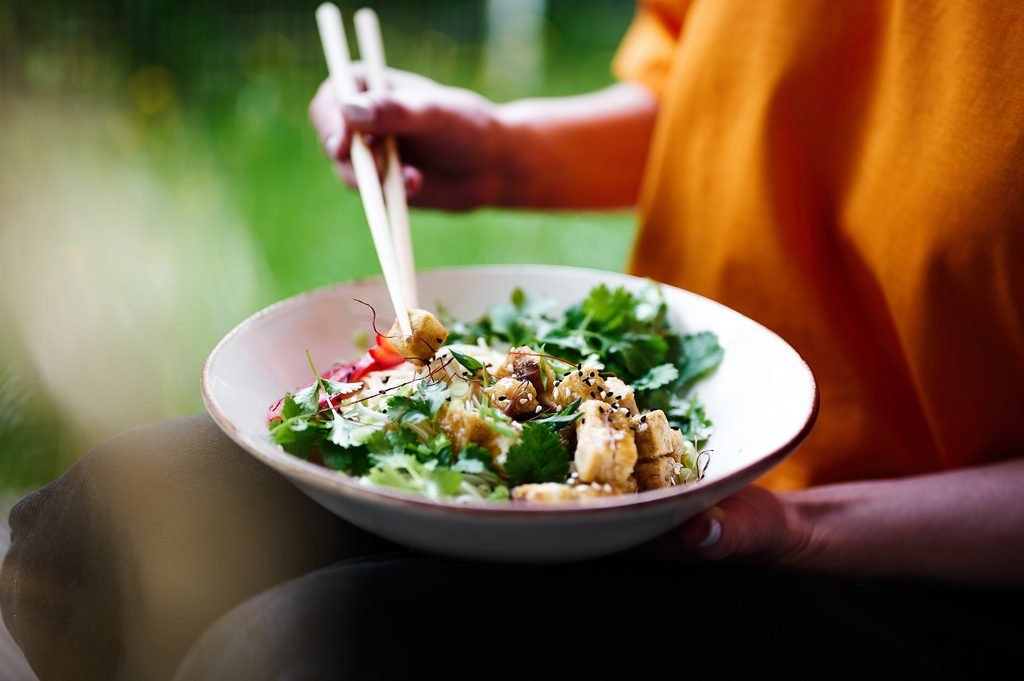
It is about choosing foods that give you more volume, more nutrients, and more satisfaction for fewer calories.
What Is Volumetric Eating?
Volume eating is a way of eating that emphasizes foods that are relatively low in calories but high in water, fiber, and nutrients.
Think about the difference between a small handful of a calorie-dense food and a large bowl of vegetables or soup. Both can contain calories, but the second option generally takes up much more space on your plate and in your stomach.
This is where energy density comes into the picture.
Energy density refers to the number of calories in a given weight of food. Foods with a lower energy density provide fewer calories per gram, allowing you to eat a larger portion for the same number of calories.
Common examples include:
- Vegetables
- Fruits
- Leafy greens
- Broth-based soups
- Legumes
- Whole grains
- Other foods naturally rich in water and fiber
The Volumetrics approach is strongly associated with nutrition researcher Dr. Barbara Rolls, whose research has explored how food volume and energy density influence hunger, fullness, and food intake.
In simple terms:
Instead of making your plate smaller, volume eating focuses on making your food choices more filling and nutrient-rich.
Why Does Volume Eating Help You Feel Full?
Our feeling of fullness is influenced by several factors—not just calories.
The amount of food we eat, its water and fiber content, its nutritional composition, and the presence of protein and fat can all influence satiety.
Foods rich in water and fiber can add physical volume to meals. Fiber can also slow digestion and contribute to longer-lasting fullness.
For example, compare:
Option 1: A small portion of a calorie-dense snack
Option 2: A large bowl of vegetable soup with a source of protein
The second meal may provide considerably more physical volume, helping you feel that you have eaten a substantial meal.
This is one reason why volume eating can be useful for people trying to manage their calorie intake without constantly feeling hungry.
Is Volume Eating a New Idea?
Not really!
Although “volume eating” is a relatively modern term, the principle behind it is not new.
Nutrition professionals have long encouraged people to include plenty of vegetables, fruits, legumes, and other nutrient-dense foods in their diets.
The Volumetrics approach simply puts greater emphasis on food volume and energy density.
So, rather than thinking:
“I need to eat less food.”
You can think:
“How can I make my meals more filling without unnecessarily increasing calories?”
That small change in thinking can make healthy eating feel much more manageable.
3 Simple Volume Eating Recipes
Here are three simple ideas you can try at home.
1. Creamy Peanut Butter Banana Oatmeal
Oatmeal is an easy breakfast option, and adding fruit can increase the volume and nutritional value of the meal.
Ingredients
- Rolled oats
- Milk
- Banana
- Peanut butter
- Cinnamon
- A pinch of salt
- A small amount of butter, optional
How to Make It
- Add rolled oats, sliced banana, cinnamon, and a pinch of salt to a saucepan.
- Add the milk and stir well.
- Cook over medium heat for about 8–10 minutes, stirring occasionally.
- Once the oats are soft and creamy, stir in peanut butter.
- Add a small amount of butter if desired.
- Serve warm.
Tip: Add berries, apple, or other fresh fruit to increase the volume and fiber content.
Remember that peanut butter is nutritious but relatively calorie-dense, so portion size still matters when your goal is calorie control.
2. Crispy Baked Sweet Potato Fries
Looking for a healthier alternative to deep-fried fries?
Try baking sweet potato instead.
Ingredients
- Sweet potato
- A small amount of olive oil
- Corn flour
- Chilli flakes
- Garlic powder
- Salt
- Black pepper
How to Make It
- Preheat the oven to 220°C and line a baking tray with parchment paper.
- Wash and cut the sweet potato into evenly sized strips.
- Place the strips in a bowl and toss with a small amount of olive oil, corn flour, chilli flakes, garlic powder, salt, and black pepper.
- Arrange them in a single layer on the baking tray.
- Bake for approximately 15–20 minutes.
- Turn the fries over and bake for another 10–15 minutes, until golden and cooked through.
- Watch carefully during the final few minutes to prevent burning.
Enjoy them as part of a balanced meal rather than treating them as a “free food.” Even healthy ingredients contribute calories.
3. Simple Drumstick Leaf (Moringa) Soup
Drumstick leaves, commonly known as moringa leaves, are a wonderful traditional ingredient that can be incorporated into a nutritious meal.
A light vegetable-based soup can also be an easy way to add volume to your meal.
Ingredients
- Fresh drumstick (moringa) leaves
- Onion
- Garlic
- Black pepper
- Salt
- Water
How to Make It
- Wash the drumstick leaves thoroughly.
- Add the leaves, chopped onion, garlic, salt, pepper, and water to a pot.
- Bring to a boil.
- Reduce the heat and simmer until the leaves and vegetables are tender.
- Adjust the seasoning according to taste.
- Serve warm.
You can enjoy the soup before or alongside your main meal.
Benefits of Volume Eating
When planned as part of a balanced diet, volume eating may offer several advantages.
1. Helps You Feel Satisfied
Large portions of foods rich in water and fiber can contribute to physical fullness, which may make it easier to manage hunger.
2. May Help With Weight Management
Choosing lower-energy-density foods can help reduce overall calorie intake while still allowing you to eat satisfying portions.
3. Encourages More Fruits and Vegetables
A volume-focused eating pattern naturally encourages greater consumption of vegetables, fruits, leafy greens, and other nutrient-rich foods.
4. Provides Important Nutrients
Many high-volume foods are excellent sources of vitamins, minerals, antioxidants, and dietary fiber.
5. Can Make Calorie Control Feel Easier
For some people, eating a small portion of highly calorie-dense foods can leave them feeling unsatisfied. Increasing the volume of lower-calorie foods can make a calorie-controlled diet feel less restrictive.
Are There Any Disadvantages?
Like any dietary approach, volume eating isn’t perfect for everyone.
Too Much Fiber Too Quickly
If you suddenly increase your intake of vegetables, fruits, legumes, and other high-fiber foods, you may experience bloating, gas, or abdominal discomfort.
Increase fiber gradually and make sure you drink enough fluids.
Large Portions May Not Suit Everyone
Some people may find very large meals uncomfortable, particularly those with certain digestive concerns or reduced appetite.
It Requires Some Planning
Preparing vegetables, soups, salads, and other high-volume meals can take a little extra time.
Fullness Isn’t the Only Goal
Eating is about more than physical fullness. Taste, enjoyment, cultural preferences, social occasions, and emotional satisfaction are also important.
A healthy diet should be balanced, enjoyable, and sustainable.
What Does Science Say About Volume Eating?
Research on dietary energy density supports the idea that choosing lower-energy-density foods can help people reduce energy intake while maintaining satisfying portions.
Studies have also examined associations between dietary energy density and outcomes such as weight management, cardiovascular health, and type 2 diabetes risk.
However, it is important not to overstate the evidence.
Volume eating is a useful dietary strategy—not a magic weight-loss solution.
Your overall eating pattern, portion sizes, protein intake, physical activity, sleep, lifestyle, and individual health all matter.
And what works beautifully for one person may not work in exactly the same way for another.
How Can You Start Volume Eating?
You don’t need to completely change your diet tomorrow.
Start with a few simple habits.
- Add extra vegetables to lunch and dinner.
- Include a serving of fruit with breakfast or as a snack.
- Start a meal with a vegetable- or broth-based soup.
- Add leafy greens to curries, omelets, rice dishes, and other meals.
- Choose whole fruits instead of fruit juice more often.
- Include a good source of protein in your meals.
- Drink enough water throughout the day.
- Be mindful of calorie-dense additions such as oils, nuts, nut butters, sauces, and dressings.
The Bottom Line
Volume eating is about eating smarter, not simply eating less.
By choosing more foods that are naturally rich in water and fiber and relatively low in energy density, you can create meals that look generous, feel satisfying, and provide plenty of nutrients.
You don’t have to survive on tiny portions to manage your calorie intake.
Sometimes, the answer is simply to put more nutritious food on your plate.
At SAND Nutrition, we believe healthy eating should be nourishing, practical, enjoyable, and sustainable.
So, the next time you prepare a meal, ask yourself:
“Can I make this meal more nutritious and satisfying without adding unnecessary calories?”
That simple question could be a great place to start.
Stay healthy, stay positive, and keep nourishing yourself! ❤️
References
- Karimi G, Azadbakht L, Haghighatdoost F, Esmaillzadeh A. Low energy density diet, weight loss maintenance, and risk of cardiovascular disease following a recent weight reduction program: A randomized controlled trial. Journal of Research in Medical Sciences. 2016;21:32.
- Hingle MD, Wertheim BC, Neuhouser ML, et al. Association between Dietary Energy Density and Incident Type 2 Diabetes in the Women’s Health Initiative. Journal of the Academy of Nutrition and Dietetics. 2017;117(5):778–785.e1.
- Rolls BJ, Barnett RA. The Volumetrics Weight-Control Plan. HarperCollins.
- Rolls BJ. Research on dietary energy density, food volume, satiety, and energy intake.
Sanduni Abeysinghe
(BSc, MSc, Registered Nutritionist)
Recommended Articles
- Volumetric Eating (Volumetrics): Eat More, Feel Full, and Manage Calories
- How to Start a Plant-Forward Diet: Simple Tips for a Healthier Plate
- Top Healing Foods After Foot and Ankle Injuries: Speed Up Recovery Naturally
- 5 Healthy Mocktail Recipes to Boost Immunity, Digestion & Energy (No Alcohol!)
- Feeding the Mind: Best Nutrition for Teen Mental Health